On this page
Signs of a problem
- A dull ache or throbbing at the very back of your jaw
- A red, swollen or tender gum over or beside a back tooth
- A bad taste or bad breath that does not clear
- Stiffness or difficulty opening your mouth fully
- Swollen glands under your jaw, or feeling generally unwell
Why they cause trouble
By the time they arrive, the rest of your teeth have usually settled and there may not be enough space. A tooth that only partly breaks through leaves a flap of gum where food and bacteria get trapped, which can become infected. This is called pericoronitis, and it is a very common reason for pain at the back of the mouth.
- Impacted teeth are stuck beneath the gum or against the tooth in front
- Part-erupted teeth are hard to clean, so decay and gum infection are more likely
- A wisdom tooth can push on the tooth beside it and cause decay in that tooth too
Teeth that are not causing problems usually do not need to be taken out. The dentist simply monitors them at your check-ups.
How to ease the pain while you arrange an appointment
Rinse with warm salt water
Swill gently after meals. This can soothe an inflamed gum and wash out trapped food.
Clean carefully
Keep brushing, using a small-headed brush, and reach the back of the area as gently as you can.
Use pain relief as directed
Take over-the-counter painkillers as the packet says, if they are suitable for you.
Use a cold compress
Hold it against your cheek for short periods to calm swelling.
Call the clinic
A swollen gum or pain that keeps coming back should be examined, and infection treated before it spreads.
When removal is recommended
- Repeated infections of the gum around the tooth
- Decay in the wisdom tooth or in the tooth beside it that cannot be treated well
- A cyst or damage to the nearby tooth or bone
- A tooth that is stuck and causing ongoing pain
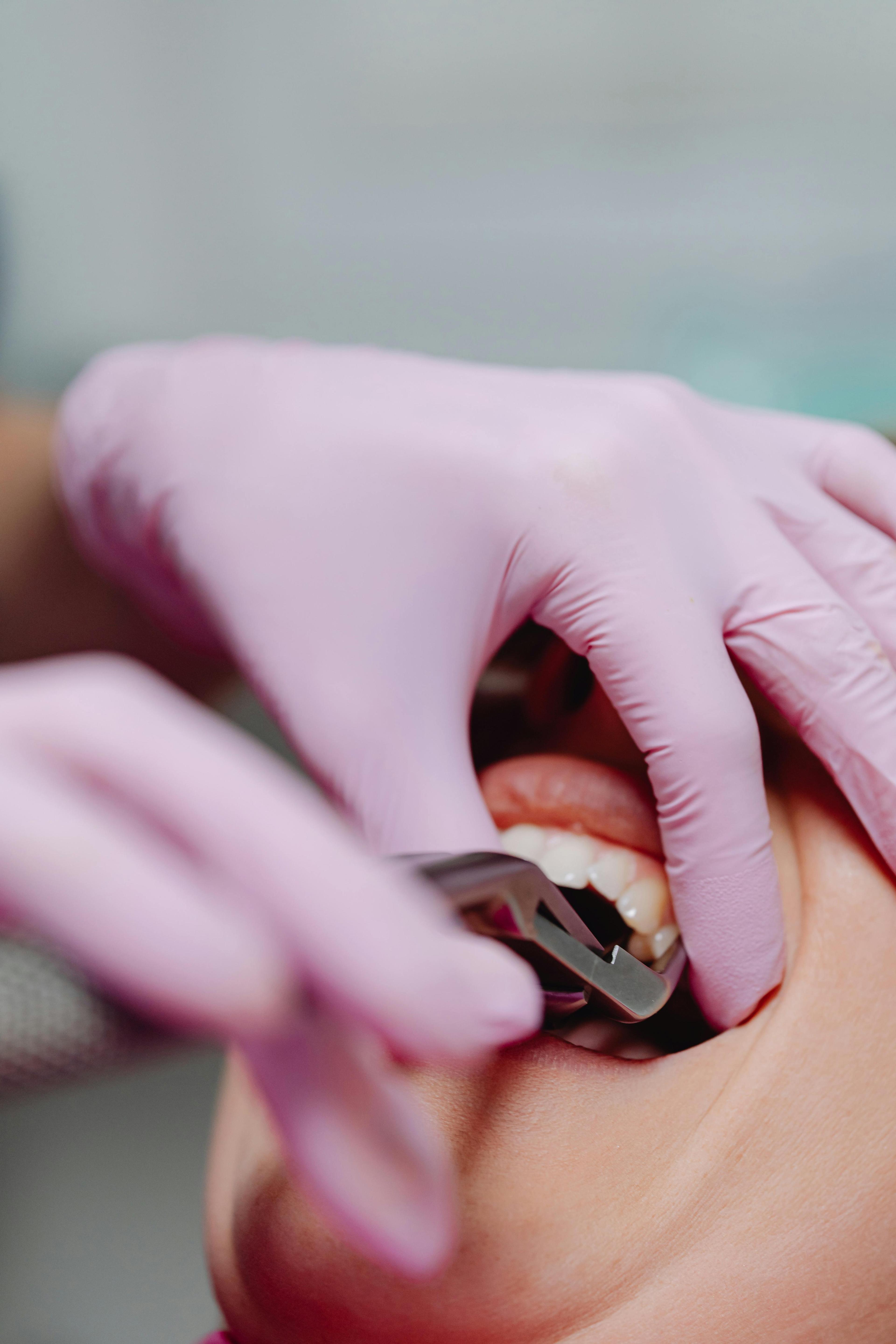
Removal is done under local anaesthetic, and the dentist will explain whether your tooth is straightforward or more complex before you decide. Our guide to tooth extractions covers what to expect. Afterwards, soreness and some swelling are normal for a few days, and pain that worsens after two or three days may be dry socket.
How to protect your gums and teeth
- Brush twice a day with fluoride toothpaste, paying attention to the back corners
- Clean between teeth daily, using a small interdental brush where it fits
- Rinse with warm salt water if the gum feels sore
- Keep up regular check-ups so the dentist can watch for problems
- Do not wait for repeated pain: early treatment avoids infection
Cost
An emergency consultation is £50. If you need treatment or removal, the dentist explains the options and cost first.