On this page
What happens at a hygiene appointment
A chat and a look
The hygienist asks about your health and any concerns, then looks at your teeth and gums.
Checking your gums
They may gently measure the gap between the gum and each tooth with a small probe, to see how healthy the gums are.
Removing plaque and tartar
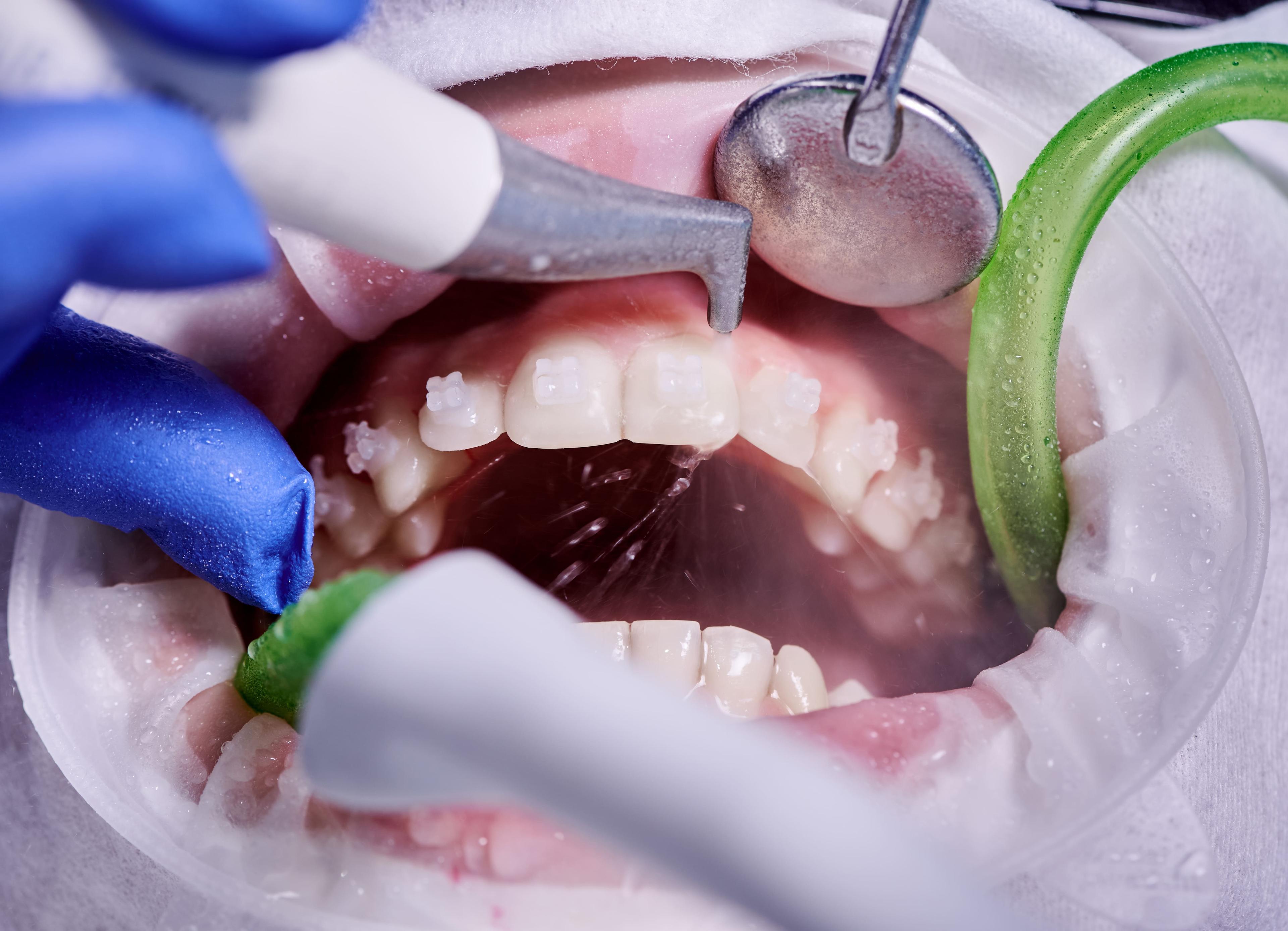
Hardened tartar, which brushing cannot remove, is cleaned away using an ultrasonic scaler and hand instruments.
Polishing
Your teeth are polished to remove surface stains and leave a smooth finish.
Your cleaning plan
You are shown the best brushing technique and cleaning aids for your mouth, and told when to return.
Who benefits most?
- Anyone whose gums bleed when they brush or clean between their teeth
- People who build up tartar quickly, or notice stains from tea, coffee or smoking
- Anyone with gum disease, or who has had it before
- People with braces, implants, bridges or dentures, which need careful cleaning
- Anyone who wants a thorough clean and personal advice
How often do you need one?
There is no single answer. Some people need a hygiene visit every three months, others once or twice a year. The hygienist or dentist recommends an interval based on how quickly plaque and tartar build up, the health of your gums and your risk of gum disease.
Hygienist or dentist?
| Topic | Hygienist | Dentist |
|---|---|---|
| Focus | Preventing gum disease and decay | Diagnosing and treating problems |
| Main tasks | Cleaning, gum care and cleaning advice | Examinations, fillings, extractions and other treatment |
| When you see them | Regularly, alongside check-ups | For check-ups and whenever a problem arises |
Most people benefit from both. The dental check-up finds out what your mouth needs, and the hygiene visit helps keep it that way.
What a hygiene visit does not do
- It does not change the natural shade of your teeth, though it removes surface stains
- It does not treat holes in teeth, which need a filling
- It is not a substitute for treatment if you already have established gum disease, which may need a more thorough course of care
You can read about the cleaning itself in scale and polish, and about treating established problems in gum disease treatment.
Getting the most from your visit
- Bring your questions, including anything about bleeding, bad breath or sensitivity
- Tell the hygienist if any part of the cleaning is uncomfortable so they can adjust
- Use the brushing technique and cleaning aids they recommend between visits
- Come back when advised, rather than waiting until something hurts
After your appointment
- Your gums may feel a little tender or bleed lightly for a day or so, which usually settles
- Your teeth may feel unusually smooth, and the spaces between them can feel larger once tartar has gone
- Sensitivity to hot or cold is common for a short time, and a toothpaste for sensitive teeth can help
- Keep brushing gently and cleaning between your teeth, as that is what keeps the results
- Contact us if bleeding, pain or swelling does not settle within a few days
Cost and payment
The cost of a hygiene appointment depends on the length and what it includes. Ask the team when you book, and nothing is done without you agreeing to it first.